An ADHD assessment is more than a set of forms and checkboxes. My approach is rooted in a queer and neurodiversity-affirming perspective, recognizing ADHD as part of the natural spectrum of human thinking, creativity, and problem-solving. We look beyond symptoms to explore your story, including your upbringing, environment, coping strategies, and the meaning you’ve made of your experiences.

Many adults seeking an ADHD evaluation come with mixed feelings: relief at the possibility of finding answers, fear of being dismissed, or worry about “not being ADHD enough.” I offer a supportive, nonjudgmental space where you don’t need to perform or “hold it together.”
Together, we explore your history, strengths, and challenges so you can gain a deeper understanding of how your mind works, along with language for what you’ve been navigating.
Complete and submit the inquiry form
Join a brief consultation call
Complete pre-session assessments and sign agreements
Attend face-to-face meetings
Receive personalized report
Additional feedback session to review report and discuss next steps
Diagnostic explanation
Diagnostic explanation and clinical recommendations
Background information, diagnostic explanation, and clinical recommendations
No. I am not a prescriber and cannot write prescriptions.
I am in-network with Independent Health Association, Highmark Blue Cross Blue Shield of WNY, Aetna, and Univera. Additionally, if you have out-of-network coverage, I can provide a Superbill. This means that you pay for your session out-of-pocket, and then it is your responsibility to request and submit this documentation to your insurance company for full or partial reimbursement.
As a clinician personally navigating the experience of ADHD, I want these evaluations to be as affordable as possible while also keeping my practice sustainable. The fee reflects both the direct time we spend together and the behind-the-scenes work that makes a thoughtful evaluation possible.
This includes: Ongoing training and licensure renewal, access to validated assessment tools, careful review of assessments and preparation for our sessions, face-to-face meetings with you, time and resources spent attending trainings and designing and refining the evaluation process.
My understanding of ADHD is both personal and professional. As a licensed clinical social worker (LCSW) and an ADHD-er, I know the realities of masking and juggle the ups and downs of focus and energy. I’ve also completed specialized ADHD assessment trainings, read widely, and continue to study and learn. My goal is to combine personal insight with professional knowledge, so that evaluations feel both thorough and deeply understanding of what it’s like to be neurodivergent.
As awareness of neurodiversity grows, more people are finding language that resonates with their own experiences. It’s also true that relating to these traits can be meaningful in itself, even if it doesn’t meet the threshold for a formal diagnosis. My approach integrates standardized screeners, developmental and psychosocial history, and a structured diagnostic interview to develop an evidence-based understanding of your experience. Affirming doesn’t mean automatic. It means conducting each evaluation with curiosity, clinical integrity, and respect for complexity. Whether or not a diagnosis is given, the intention is to provide clarity that’s both accurate and truly helpful for navigating your life.
I do not offer neuropsychological assessments. Psychologists often provide these using performance-based measures (including IQ, academic, and memory or processing speed tests). My evaluations take a different approach by focusing on understanding your lived experience and how neurodivergence shows up in daily life. As a Licensed Clinical Social Worker (LCSW), I rely on validated screeners, structured interviews, developmental history, and narrative data to capture a clear picture of how neurodivergence affects your daily life and functioning.
I also recognize that accessing accommodations, legal protections, and services often requires alignment with the medical model. When necessary, I translate that picture into DSM-5 language so your evaluation supports both self-understanding and real-world access, without compromising an affirming approach.
What my evaluations can support: As an LCSW, I can diagnose and provide documentation to support 504 plans, college accommodations, workplace accommodations, and medication referrals.
What falls outside my scope: My evaluations are not appropriate for SSDI applications or IEPs, which typically require assessment by a psychologist. If you need documentation for either of these, I’m happy to help you think through next steps and referrals.

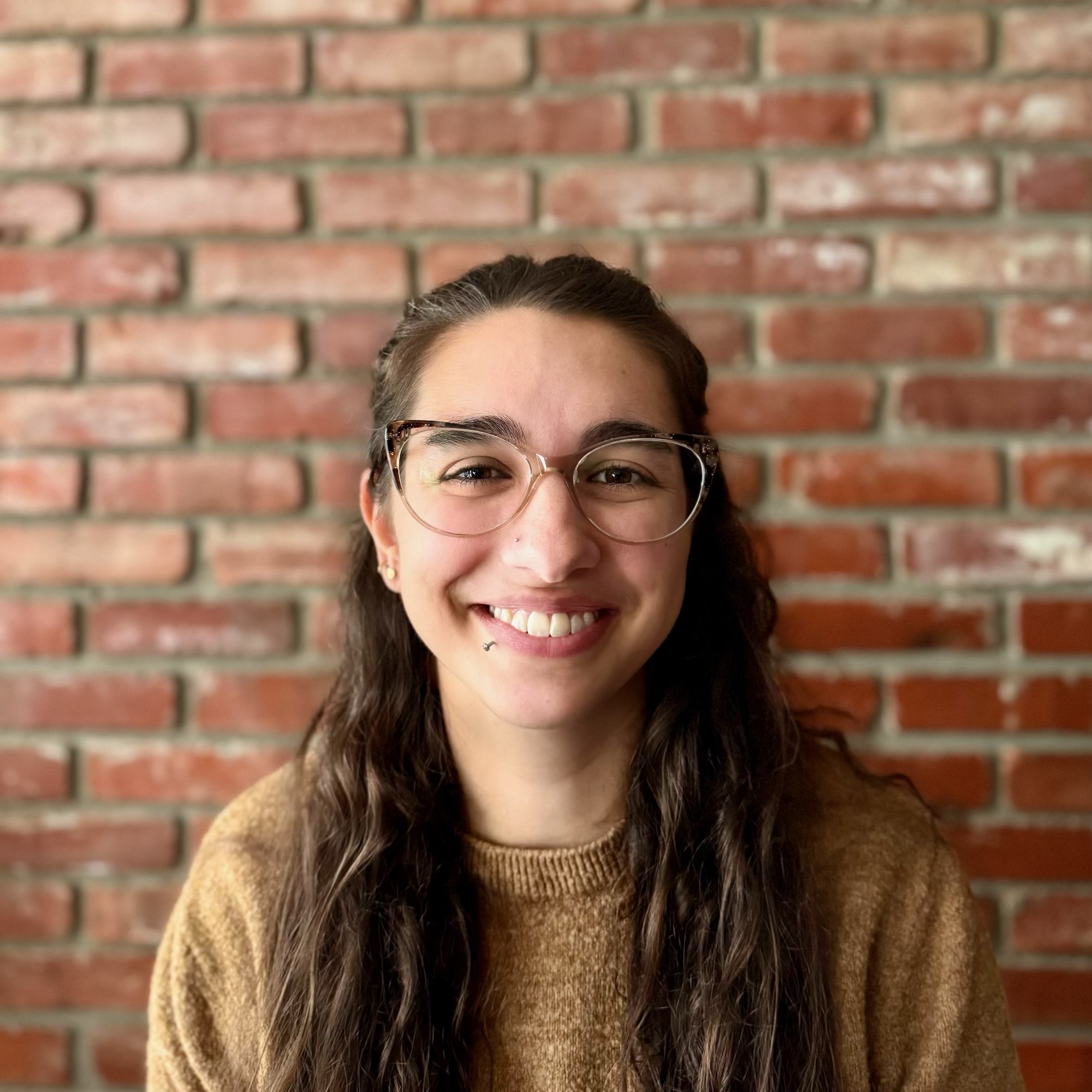
Maryann (she/they) is a Licensed Clinical Social Worker in Buffalo, NY, specializing in Internal Family Systems (IFS) therapy with a focus on supporting queer and neurodivergent clients.
glowingembertherapy@gmail.com